
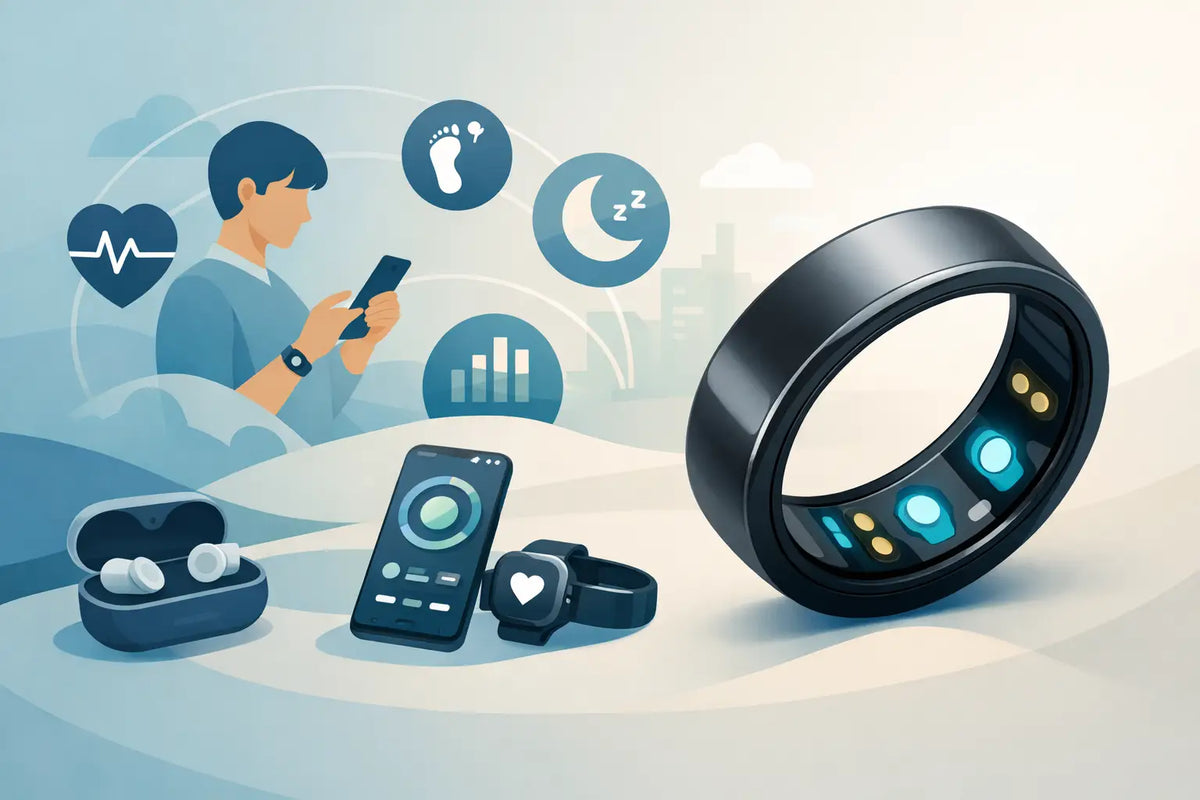
When you wear a smart ring for the first time, you often notice the difference by the second day—not because of flashy notifications, but because the device almost disappears. This is exactly why a smart ring guide for beginners is so relevant: Many people want to better understand their health data without wearing a watch that gets in the way while sleeping, typing, or clashing with their outfit. A smart ring is understated, yet it can do a surprising amount in everyday life.
For beginners, one question is especially important: Is a ring like this really worth it, or is it just a fancy tech gadget? The honest answer is: It depends on what you expect. If you are looking for medical diagnoses, a smart ring is not the right tool. If you want to better monitor your sleep, activity, recovery, and daily patterns, it is often the more comfortable alternative to a smartwatch.
Smart Ring Guide for Beginners: What a Smart Ring Can Really Do
At its core, a smart ring is a compact fitness and health tracker for your finger. Depending on the model, it measures metrics such as sleep duration, heart rate, activity, calorie expenditure, and sometimes stress or recovery trends. Its main advantage lies not only in the technology but also in how discreetly it fits into your everyday life.
For many people, health tracking fails not because of a lack of interest, but because of a lack of consistency. A smartwatch is taken off at night, forgotten while charging, or found to be intrusive at the office. A ring is more discreet, barely noticeable with an outfit, and therefore often worn more regularly. This makes the data more useful in everyday life.
Nevertheless, expectations should remain realistic. A smart ring is no substitute for a medical device or common sense. It shows patterns, not absolute truths. If your sleep score fluctuates, it is a clue—not a judgment.
Who Benefits Most from a Smart Ring
A smart ring is ideal for people who want to use data without constantly looking at a display on their wrist. Those who want to improve their sleep, assess their daily activity, or better understand their recovery often benefit particularly. It is also an attractive option for professionals who prefer a subtle wearable during meetings, at the office, or on the go.
A smart ring is less suitable for users who expect as many live features as possible directly on the device. If you want to control workouts on the display, read messages, or use apps, a smartwatch often offers broader functionality. The ring scores more on comfort, design, and unobtrusive data collection.
Beginners often make the mistake of wanting everything at once. It is better to know your own priorities. Do you want to sleep better, incorporate more exercise into your daily life, or wear a stylish wearable without a watch? The clearer this answer is, the easier the choice will be.
What Beginners Should Look for When Buying
The most important factor is not the marketing list of sensors, but how well it fits into everyday life. A smart ring must be comfortable to wear, look good, and reliably fit into your routine. Otherwise, it will end up in a drawer after a week.
Size is crucial. Even small differences make a big difference with a ring. If it is too tight, it becomes uncomfortable. If it is too loose, measurement quality often suffers. That is why it is worth choosing a provider that makes sizing easy and offers hassle-free exchanges if necessary. This is especially important for beginners, as it removes a lot of uncertainty from the decision.
Next comes battery life. No one wants to constantly charge a wearable. A ring with solid battery life better fits the idea of capturing health data effortlessly in the background. Other important factors include water resistance, how the material feels, app usability, and whether the data is presented in an easy-to-understand way. Good technology is of little use if the app only shows numbers without providing any guidance.
Design also plays a bigger role than many initially think. A smart ring is not hidden like a tracker; it is worn visibly. Therefore, the color, finish, and shape should match your personal style. If you feel comfortable with the look, you will naturally wear the ring more consistently.
These Mistakes Beginners Make Particularly Often
Many beginners buy based too heavily on price or a single feature. Both can backfire. An extremely affordable ring may seem attractive at first, but it often compromises app quality, comfort, or service. Conversely, the longest feature list is of little use if you only want to accurately track sleep and activity.
Another mistake is misinterpreting the data. If you see a mediocre sleep score after the first night and immediately doubt the product, you are missing its true value. Smart rings show trends over days and weeks. Individual fluctuations are normal. It only becomes interesting when recurring patterns emerge.
Smart Ring Guide for Beginners: How to Make Sense of Your Data
The best wearables do not offer magic; they offer insights. That is exactly why you should not look at the data in isolation. If your sleep was shorter, your heart rate was higher at night, and you feel tired in the morning, a picture emerges. If only one metric deviates, it may not mean anything yet.
For beginners, three areas are particularly useful. First, sleep: How long do you really sleep, and how regularly? Second, activity: Do you get enough exercise in your daily life, or are you overestimating your activity level? Third, recovery: How does your body respond to stress, late meals, alcohol, or intense training days?
The real added value comes when data helps you make a small decision. Perhaps you go to bed 30 minutes earlier. Perhaps you decide not to plan an intense workout after a short night’s sleep. Perhaps you notice that your energy levels are better on days with more exercise. This is where tracking becomes practical.
It is also important to remain calm. Health data should provide guidance, not create pressure. If you overanalyze every fluctuation, you will quickly lose interest. It is better to take a level-headed approach: What keeps happening, what is improving, and what do you want to change in your daily life?
Smart Ring or Smartwatch—Which Is Better for Beginners?
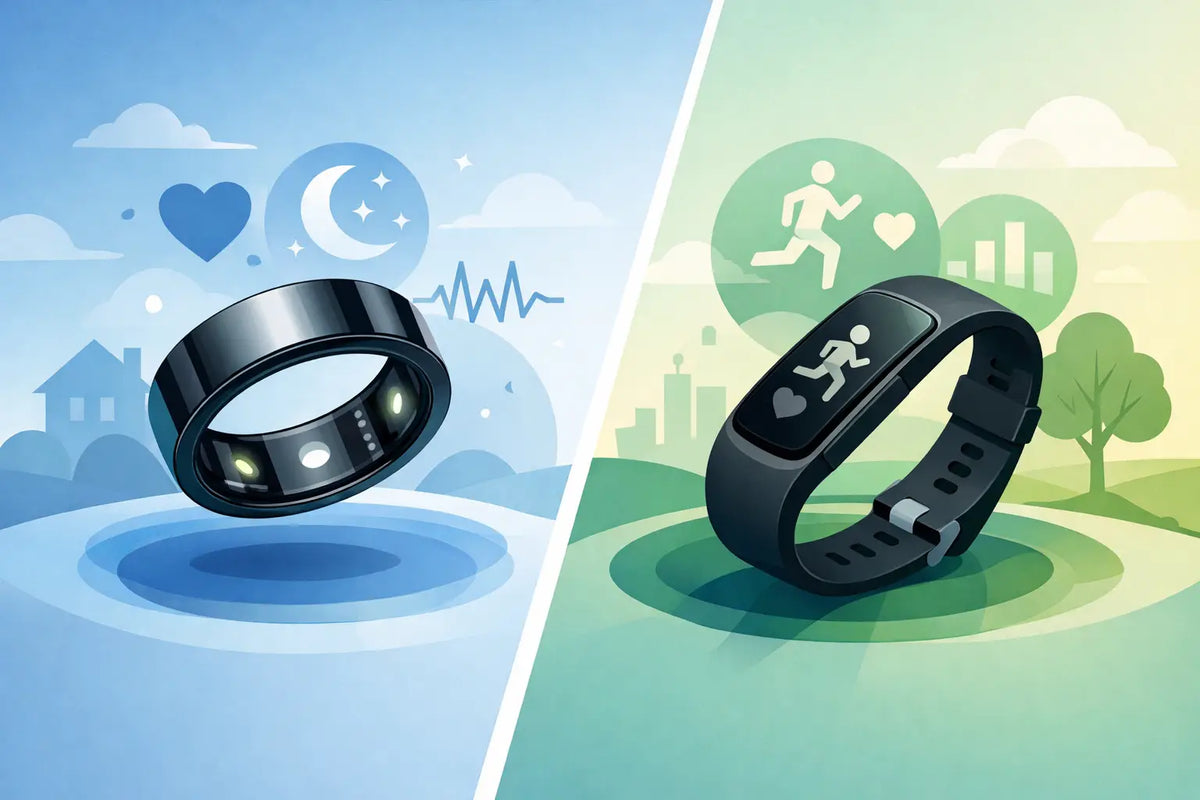
It is a valid question, as both devices overlap. A smartwatch is usually better if you want to use many features directly on your wrist. It is more visible, more interactive, and often more sports-oriented. However, it can feel bulky while sleeping and less discreet in everyday life.
A smart ring is the more elegant solution for people who do not want to be constantly engaged with technology. It quietly collects data in the background and blends more easily into work, leisure, and evening outfits. This makes it particularly appealing to beginners who want health tracking but do not want a constantly visible display.
There is therefore no universally better device. It depends on whether you prioritize interaction or discretion. If you want to start discreetly, a smart ring is often closer to your everyday routine.
How to Get Started Without Making the Wrong Purchase
It is best not to start by asking which model is being advertised most loudly online, but by looking at your everyday life. Do you already enjoy wearing jewelry? Do you dislike sleeping with a watch? Do you want health tracking without compromising your outfit? Then a smart ring is a very natural starting point.
When buying, look for a clear and comprehensive package. This includes a comfortable fit, an easy sizing solution, an intuitive app, and a purchasing process without unnecessary risk. This is often where a good product is distinguished from a good deal. Free size exchanges, a trial period, and clear support are not just bonuses for beginners—they are genuine decision-making aids.
If you want to make things as easy as possible, look for brands that approach the subject with everyday usability and customer service in mind—for example, with digital ring sizing, clear product information, and a return option if the ring does not suit your lifestyle. This provides peace of mind before you even see your first metric in the app.
A smart ring is successful when it does not feel like a technology experiment, but like a natural part of your day. If you can take a quick look at your night’s sleep in the morning, better understand your activity, and do so without having to wear a bulky device, you have already succeeded.
In the end, it does not matter how much data a ring can theoretically collect, but whether you actually wear it, understand it, and enjoy using it in everyday life—that is when technology becomes a noticeably better understanding of your own body.

Leave a comment
This site is protected by hCaptcha and the hCaptcha Privacy Policy and Terms of Service apply.