
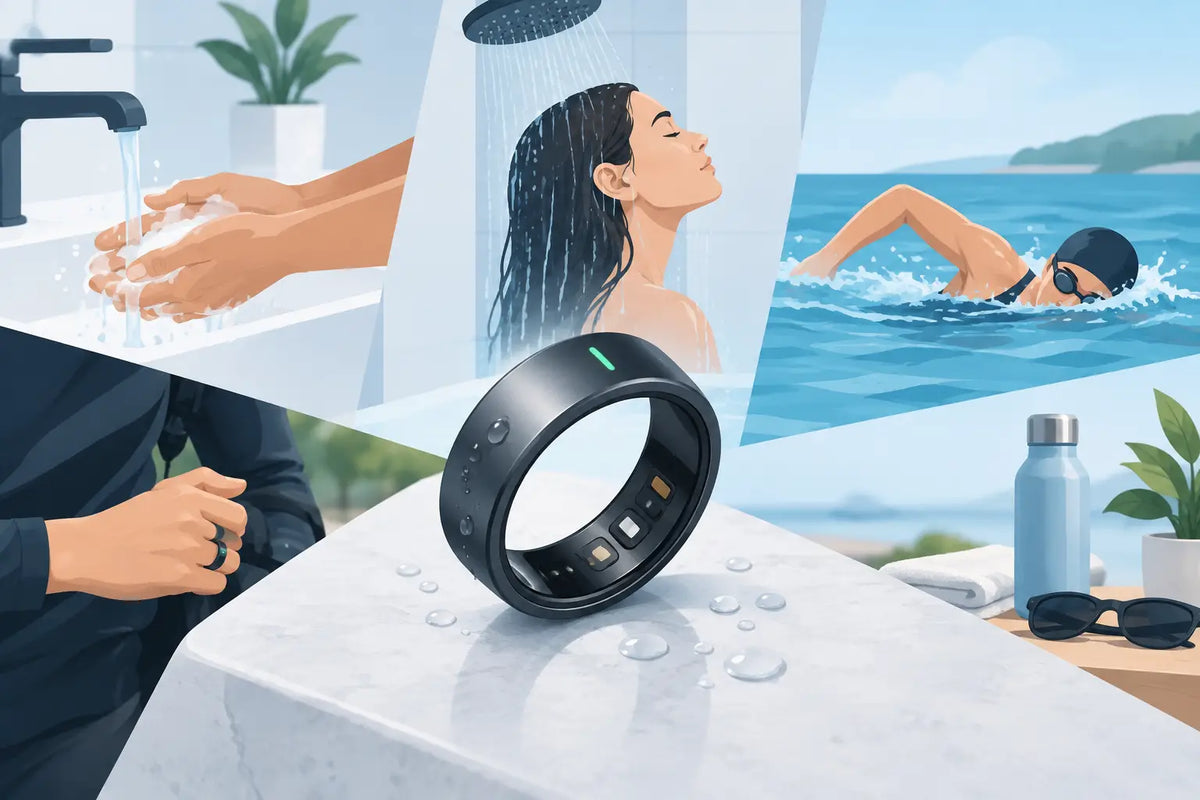
The morning often starts faster than planned: shower, make coffee, wash your hands, and head to the subway. A smart ring that is water-resistant in everyday life should not become a product that has to be removed before every contact with water. That is precisely its advantage: health data stays where it belongs—on your finger and close to your real life.
But water-resistant does not automatically mean that every ring is equally suited for every situation. If you want to wear your smart ring reliably while washing your hands, exercising, or sleeping, you should understand what the water resistance ratings really mean and how to keep the ring comfortable over time.
A Water-Resistant Smart Ring for Everyday Life: Why It Matters
A smart ring is designed to be an inconspicuous part of your routine. It records sleep, activity, and other health metrics without you having to constantly look at a display or feel a bulky wearable on your wrist. But this only works if you do not have to take it off for every minor everyday situation.
We encounter water more often than we think: washing our hands at the office, doing the dishes, after a workout, or walking in the rain. A ring with appropriate water resistance provides freedom here. You do not have to think about where to safely put it down, and at the same time, you reduce the risk of losing it or interrupting a measurement.
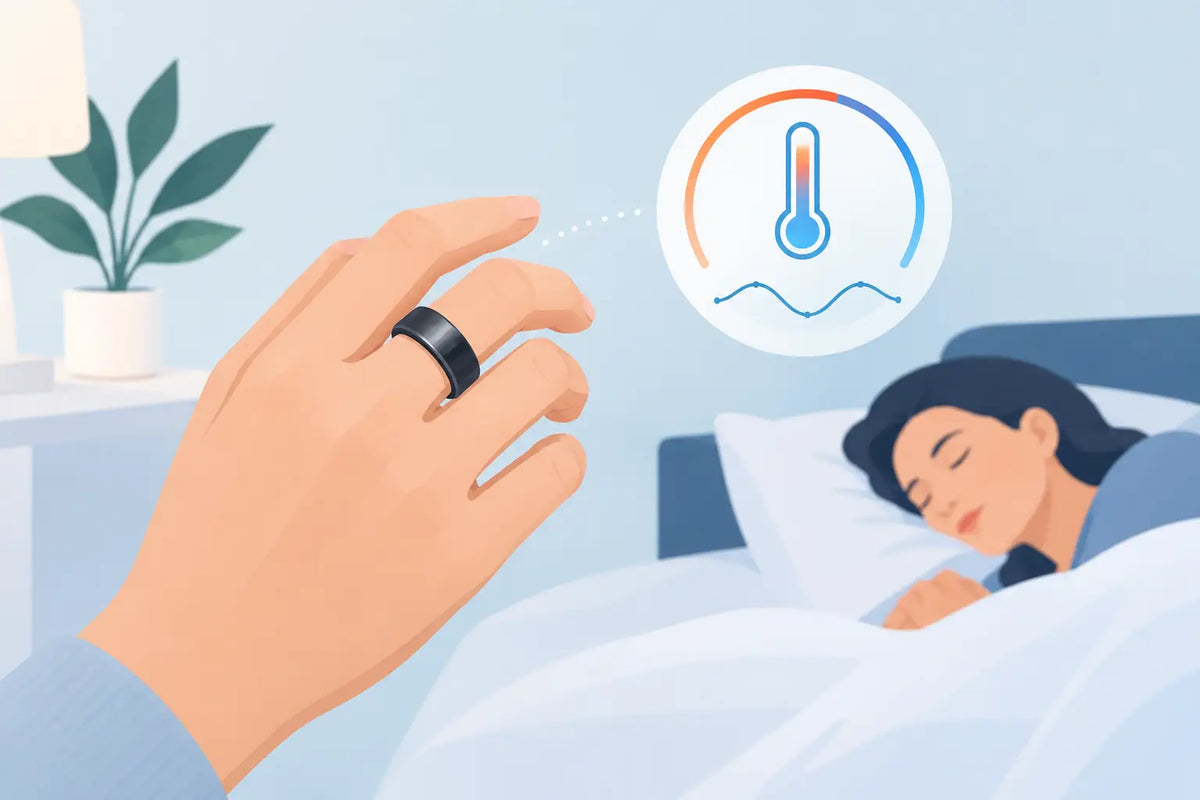
This continuity is especially important for sleep tracking. If you wear a ring regularly, you are more likely to recognize patterns: Do you sleep more restlessly after a late evening? How does an active week affect your recovery? Such insights are not created by perfect individual days, but by data that remains comparable over weeks.
Water-Resistant, Waterproof, or Only Splash-Proof?
The terms sound similar, but they do not describe the same thing. Splash resistance usually means that a product can withstand raindrops or occasional hand washing. This level is not intended for prolonged contact with water.
Wearables are often described as water-resistant if they are designed for typical everyday situations involving water. However, the manufacturer's specific rating is always crucial. You will often find an ATM rating or an IP classification. It shows under what conditions the device was tested—not how carelessly it can be used in every situation.
An ATM rating refers to the tested pressure. This is helpful, but not a free pass for every water sport. Movements in the water, temperature changes, and direct water jets can affect seals differently than a test under controlled conditions. Therefore, always check the official instructions for your model before your first visit to the swimming pool.
For everyday life, this question is particularly relevant: Is the ring designed for washing your hands, sweat, rain, and your daily routine? If so, you get exactly the convenience a smart ring is intended to provide. However, separate recommendations often apply to saunas, diving, or intensive water sports.
Washing Your Hands and Showering: What Makes Sense?
Washing your hands is generally part of everyday use for a water-resistant smart ring. Soap, water, and a quick drying should not mean you have to take your ring off constantly. This is especially practical in everyday work life: you can keep wearing it and maintain your measurement routine.
When showering, the product approval matters more. Hot water, steam, as well as shampoo and shower gel, can put more strain on materials and coatings over time than clear, lukewarm water. Even if your ring is suitable for showering, it is worth rinsing it with clear water and drying it carefully afterward.
This is not a complicated extra task. A soft, lint-free cloth is usually sufficient. Pay special attention to the inside of the ring, as that is where the sensors are located. Clean sensor surfaces ensure comfortable wear and help keep measurements reliable.
Sports, Sweat, and Rain Are Real Everyday Tests
Training shows whether a wearable really suits your lifestyle. Sweat, quick movements, and changing temperatures are part of it. A smart ring is a stylish alternative to a sports watch if you want to record your data but do not want to wear anything on your wrist.
After an intensive session, it is usually enough to take off the ring, rinse it with water, and dry it. This prevents sweat residue, skincare products, or dust from accumulating on the inside. Especially if you continue to wear the ring at night, this little bit of care feels significantly more comfortable.
You do not have to stop your everyday life when it rains. However, a water-resistant ring is not a product that should be treated carelessly. Strong impacts, damaged surfaces, or defective charging accessories can affect its lifespan—regardless of how good the protection rating sounds on paper.
The Biggest Mistakes When Dealing with Water
The most common mistake is confusing water resistance with invulnerability. Chlorine water, salt water, and very hot water can put more strain on materials. If the ring was in the pool or the sea, rinse it with clear fresh water afterward and dry it thoroughly.
Hand cream, sunscreen, and cleaning products also deserve attention. They are completely normal in everyday life, but they can leave a film on the ring. Apply skincare products to your skin first if possible, let them absorb briefly, and then put the ring back on. This keeps it cleaner and more comfortable.
Avoid aggressive cleaners, abrasive sponges, and hard brushes. They can damage the surface or unnecessarily strain the sensor areas. Less is more here: water, a mild cloth, and regular, brief care are usually sufficient.
Comfort Determines Data Quality
A ring can be technically impressive—but if it pinches, slips, or is constantly taken off, you will ultimately lack the data that really helps you. The right size is therefore at least as important as water resistance. Your finger can change slightly throughout the day, in the heat, during exercise, or in the morning after waking up.
The ring should fit securely without digging in. It should not come loose when washing your hands, but should be removable over the finger joint with slight resistance. A fit that is too loose can move the sensors out of their ideal position. A ring that is too tight quickly becomes uncomfortable and is more likely to stay in the drawer than on your finger.
That is exactly why a size guide before purchase makes sense. It removes uncertainty and increases the chance that your smart ring will become a natural part of your routine from day one. At Fitorb, digital support for finding the right size and a free exchange if the ring size is wrong are among the services that make this decision more relaxed.
What Kind of Everyday Life Needs What Kind of Water Resistance?
For most people, a ring that reliably covers hand washing, rain, sweat, and normal activities is ideal. This applies to professionals, people with active lifestyles, and anyone who wants to monitor sleep and recovery without interruption.
If you swim regularly, participate in water sports, or go to the sauna frequently, the water approval of a specific model should be a clear purchasing criterion. Do not rely solely on terms like "water-resistant." Read the usage information carefully and adapt your habits accordingly.
This is not a disadvantage, but a smart decision. Those who know what their ring can do and which situations are better avoided will use it longer, more comfortably, and with greater confidence.
This Is How Your Ring Stays Ready for Every Day
The best routine takes less than a minute: briefly take off the ring after contact with chlorine, salt water, or a lot of sweat, rinse it with clear water, and dry it carefully. Occasionally check the inside of the sensor and the charging points for residue.
Then wear the ring again where it provides the greatest value: while sleeping, in everyday life, during exercise, and in the quiet moments in between. A good smart ring should not make your habits more complicated. It should help you understand them better—even when life gets wet, hectic, and anything but perfect.

Leave a comment
This site is protected by hCaptcha and the hCaptcha Privacy Policy and Terms of Service apply.